A drone can't show a roofer what they need to see. A Portland contractor explains what a real roof inspection includes and what to ask before hiring anyone.
A homeowner in Beaverton called me after getting a quote from another roofing company. The contractor had driven up, pulled out a drone, flown it over the roof for a few minutes, and told her she needed a full replacement. The quote came through the next day. She never saw a single photo. She called me to get a second opinion.
When I got there, I climbed on the roof. I found granule loss in a couple of patches, one failing section of flashing at the chimney, and some soft spots near the north edge where moss had been sitting for years. What I didn't find was a reason to replace the whole roof. We did a repair. She was back to dry in two days and paid a fraction of what the other company quoted.
That's not an unusual story. And the drone is often where these situations start.
What a Drone Cannot Show You
Granule Loss and Surface Texture
From the air, shingles look like shingles. A drone camera can see gross damage, obvious sagging, or large displaced sections. What it cannot detect is granule loss, which is one of the most important indicators of shingle health.
Granules protect the asphalt core from UV exposure. When they're gone, the shingle bakes. Early-stage granule loss is visible up close and underfoot, not from 30 feet in the air with a camera. A roofer who doesn't get on the roof cannot assess granule loss accurately. They're guessing. And that guess often lands in favor of a sale.
Flashings and Penetration Points
The majority of roof leaks don't start in the middle of a shingle field. They start at the edges, the flashings, and every point where the roof surface meets something that penetrates it: chimneys, skylights, vents, valleys, dormers.
Inspecting these areas requires proximity. A drone can show you that a chimney has a flashing. It cannot tell you whether the sealant is failing, whether the metal has separated, or whether there's a gap that water has already found its way through. The difference between a cosmetic flashing and a failing one is visible only up close.
Broken Seals and Lifted Edges
Shingles seal to each other through an adhesive strip along the bottom edge. When that seal fails, the shingle lifts slightly in the wind. This is invisible from the air and often invisible from the ground. Running your hand along a shingle course tells you more in ten seconds than a ten-minute drone flight.
The Attic Is Half the Inspection
This is the part most homeowners don't know, and most contractors don't mention.
Leaks typically show up in your attic long before they show up inside your home. By the time water is staining your ceiling, it has often been soaking your plywood decking for months, sometimes years. The structural damage is well underway before you notice anything from inside the house.
When we inspect a roof, we go in the attic. We look at:
- Decking condition: discoloration, soft spots, active moisture staining, early rot
- Staining patterns: where is water traveling, from which direction is it entering
- Ventilation: is air moving correctly, are intake and exhaust paths clear and functional
- Insulation: is it blocking ventilation or holding moisture against the deck
A drone cannot do any of that. And a contractor who skips the attic is working with half the picture, on your behalf.
The Red Flag You Should Watch For
The single biggest warning sign when hiring a roofer is a contractor who recommends replacement without ever getting on the roof.
I understand the business pressure behind it. Getting on a roof takes time and carries liability. A drone is faster. But if a contractor is recommending you spend $15,000 to $25,000 on a new roof based on aerial footage, that recommendation is not complete.
My standing rule at Evolution RoofWorks: no one quotes replacement without a physical inspection on the roof surface and in the attic. Not once. Not for any job size.
If a contractor gives you a replacement quote based on a drone flyover, treat it as a preliminary number and ask them to complete a physical inspection before you sign anything. If they say the drone was sufficient, that tells you everything you need to know.
Not sure if a drone-based quote holds up? Here's how we actually decide between repair and replacement, and why some contractors are biased toward the bigger job.
Read repair vs. replacement, explainedWhat a Real Roof Inspection Actually Includes
A thorough inspection from a qualified contractor should cover all of the following.
Roof Surface
Walking the entire field, checking granule condition, looking for cracking, lifting, curling, and missing shingles. Every penetration point and flashing inspected by hand, not by camera.
Edges and Gutters
Drip edge condition, debris accumulation in gutters, granule accumulation (which tells you where shingles are shedding), gutter attachment integrity, and downspout routing. If a downspout drains onto a lower roof section, that area is a high-probability leak point and needs specific attention.
Chimney and Skylights
Hands-on inspection of all flashings. Sealant condition, metal corrosion, physical separation from the roof surface. These areas fail faster than the shingle field and are disproportionately responsible for leaks.
Attic Inspection
Decking condition and moisture indicators, insulation placement, ventilation compliance under Oregon's 1:150 code. This is where early evidence of problems almost always shows up first.
Most Portland homes were built to half of what the current attic ventilation code requires. Here's what that means for your shingles, your heating bill, and your health.
Learn about attic ventilation codeA Documented Assessment
Photos of findings, specific location notes, a condition assessment, and a recommendation with reasoning. Repair, maintain, or replace, explained based on what was actually found, not estimated from the driveway.
Most of what we find in an inspection turns into a straightforward fix, not a full replacement.
See our roof repair servicesWhen a full roof replacement really is the right call, we'll walk you through materials, warranties, and timeline honestly.
Explore our roof replacement processHow to Vet a Roofing Inspector Before You Hire
A few things worth confirming before you book any roof inspection in the Portland metro area.
- Verify the Oregon CCB license. Search the contractor's name at oregon.gov/ccb. An active license confirms they're bonded and insured. The search also shows any complaint or lien history.
- Ask directly: "Will you get on the roof?" and "Will you check the attic?" Both answers should be yes, without hesitation.
- Ask whether they offer repair options. A contractor who only does replacements has a financial conflict of interest when they're the one assessing whether you need a replacement.
- Ask about their inspection process. A contractor who can't describe what they're looking for doesn't have a defined process.
Evolution RoofWorks holds Oregon CCB license #251336 and is CertainTeed certified. You can verify both before you call. I inspect every roof in person, on the surface, and in the attic. That's not optional here.
Verify our license and read more about Sean and Evolution RoofWorks' approach to honest, education-first roofing.
About Evolution RoofWorksReady for a real inspection, on the roof and in the attic?
Schedule a real inspectionRelated Service
Need help with roof inspections?
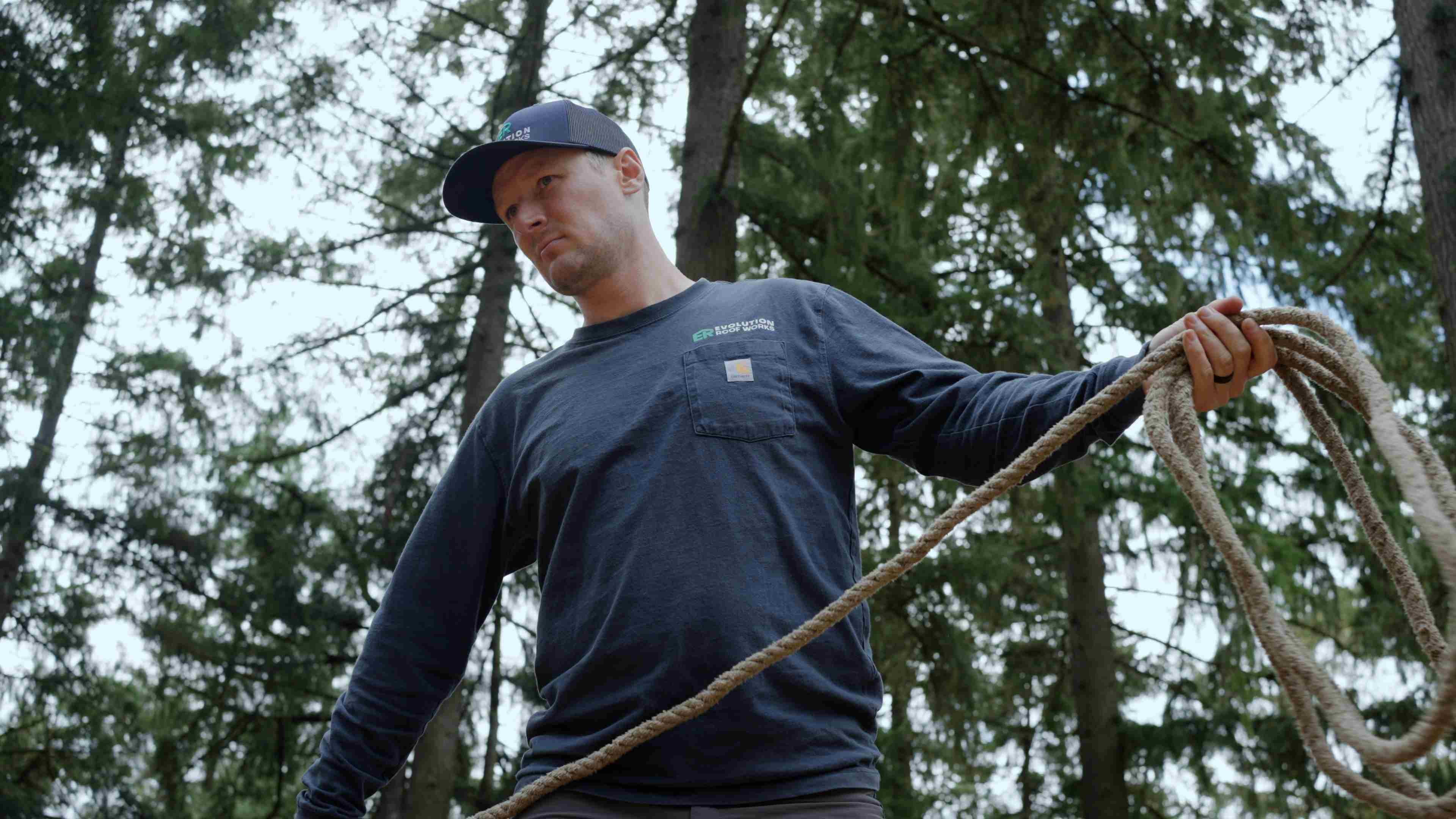
Sean O'Hare
Founder & CEO, Evolution RoofWorks
Evolution RoofWorks is a licensed, education-first roofing contractor (CCB # 251336) serving the Portland metro area.