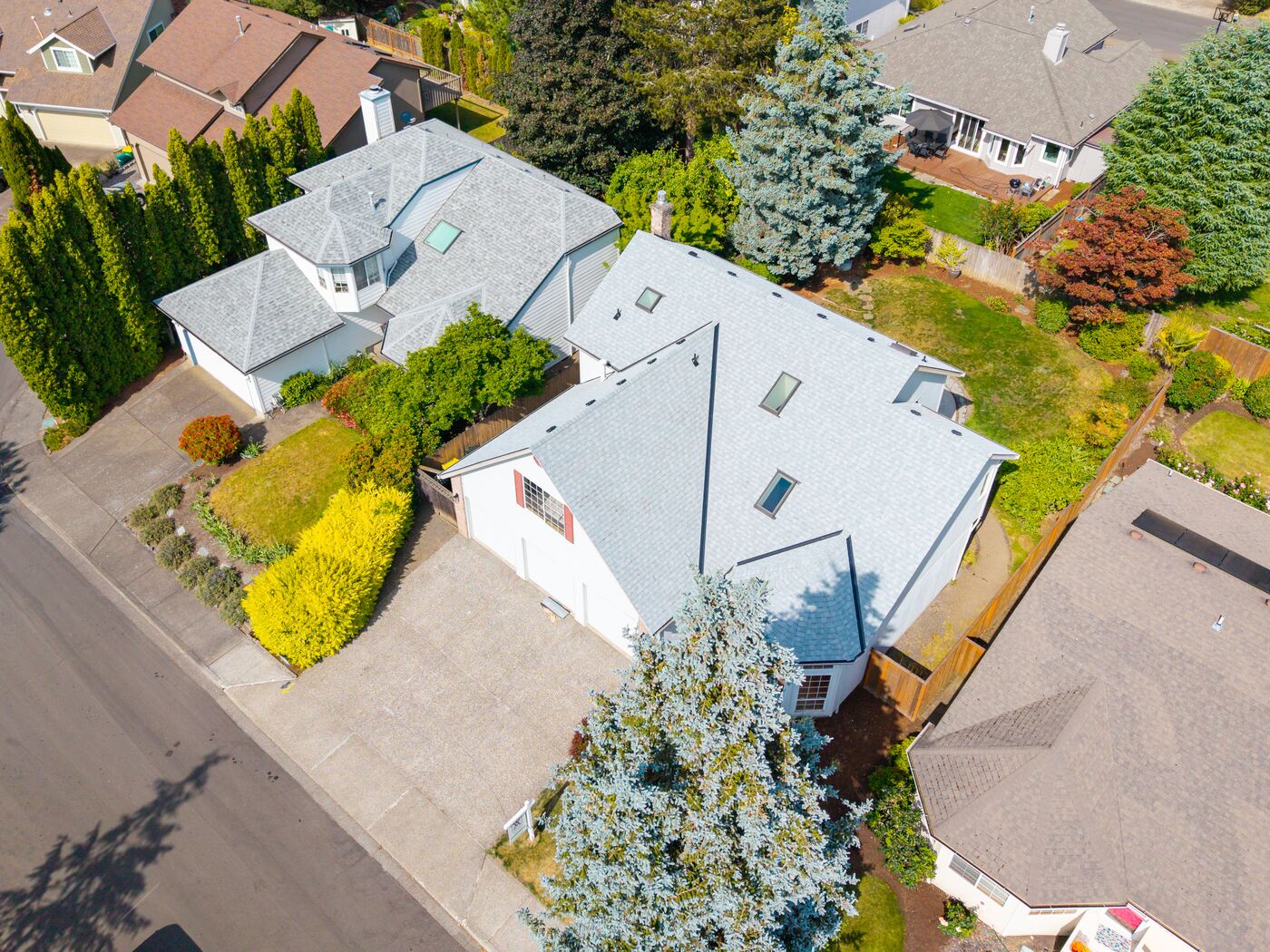
Most Portland homes were built to a ventilation standard that's now half of what code requires. Here's what that means for your heating bill, your shingles, and your health.
Most Portland homeowners have no idea their attic ventilation is failing them. Not because there's anything wrong with their roof, and not because the last roofer did bad work. It's because the building code changed, most roofers don't talk about it, and the homes sitting in Beaverton, Lake Oswego, and Tigard today were built to a standard that's now half of what's required.
This isn't a minor technicality. Under-ventilated attics cost you money on your heating bill, shorten your shingles' lifespan, and in the worst cases, create conditions for mold growth that researchers have linked to serious long-term health problems. Here's what you need to know.
The Building Code Changed — And Most Homes Didn't Keep Up
The old standard for attic ventilation was a 1:300 ratio. For every 300 square feet of attic floor space, your home needed one square foot of net free ventilation area. That was the rule for decades. The current building code is 1:150 — double the ventilation requirement.
If your home was built or last reroofed before that change took effect, there's a very good chance it doesn't meet current standards. Based on what we see when we inspect attics across the Portland metro, the vast majority of homes we look at don't have adequate ventilation by today's code. That's not a scare tactic — it's just what the numbers look like on the ground.
What Happens When Your Attic Isn't Ventilated Properly
Ventilation does two things: it moves heat out of the attic in summer and moves moisture out year-round. When either of those fails, you start seeing consequences.
- Your heating bill goes up. In the Pacific Northwest, our winters are wet, and that moisture gets into attic insulation. When insulation absorbs moisture, its R-value drops, meaning it insulates less effectively. You end up paying more to heat a house that should be well-insulated, and the culprit is often sitting right above your ceiling.
- Your A/C bill goes up. Without proper attic ventilation, on hot days your attic can reach temperatures far greater than outside. Despite the best efforts of your insulation, that heat buildup transfers into the home — this is especially noticeable on 2-story homes where the upstairs gets very hot on summer days. Proper ventilation keeps attic temperatures much lower, reducing A/C costs.
- Your shingles wear out faster. Heat is one of the primary factors in shingle degradation. When your attic acts like an oven in summer, that heat transfers directly into the roof deck and into the underside of your shingles. Properly ventilated attics extend shingle life by an estimated 7 to 15 percent — on a 30-year roof, that's three to five additional years before replacement.
- Mold becomes a real risk. Oregon's climate means moisture is always present, and a trapped, humid attic is exactly the environment where mold takes hold. Mold in attics is not unusual, and researchers have linked mold exposure in living environments to serious long-term health concerns. This is not something to ignore, and it's exactly why we go into every attic we inspect.
We include a full attic inspection on every roof inspection — because the roof and attic are one system.
Learn about our roof inspection processWhat Good Attic Ventilation Actually Looks Like
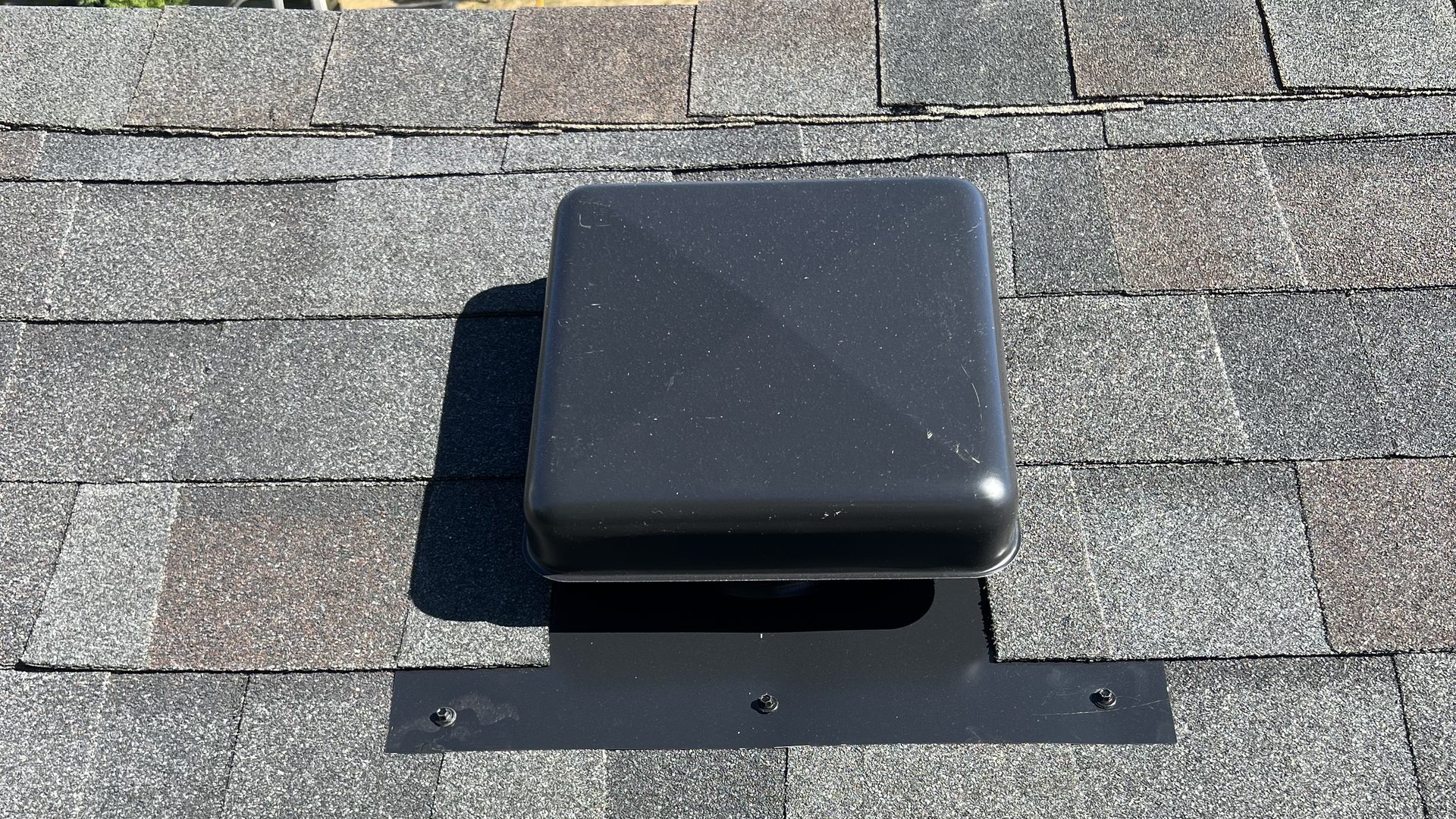
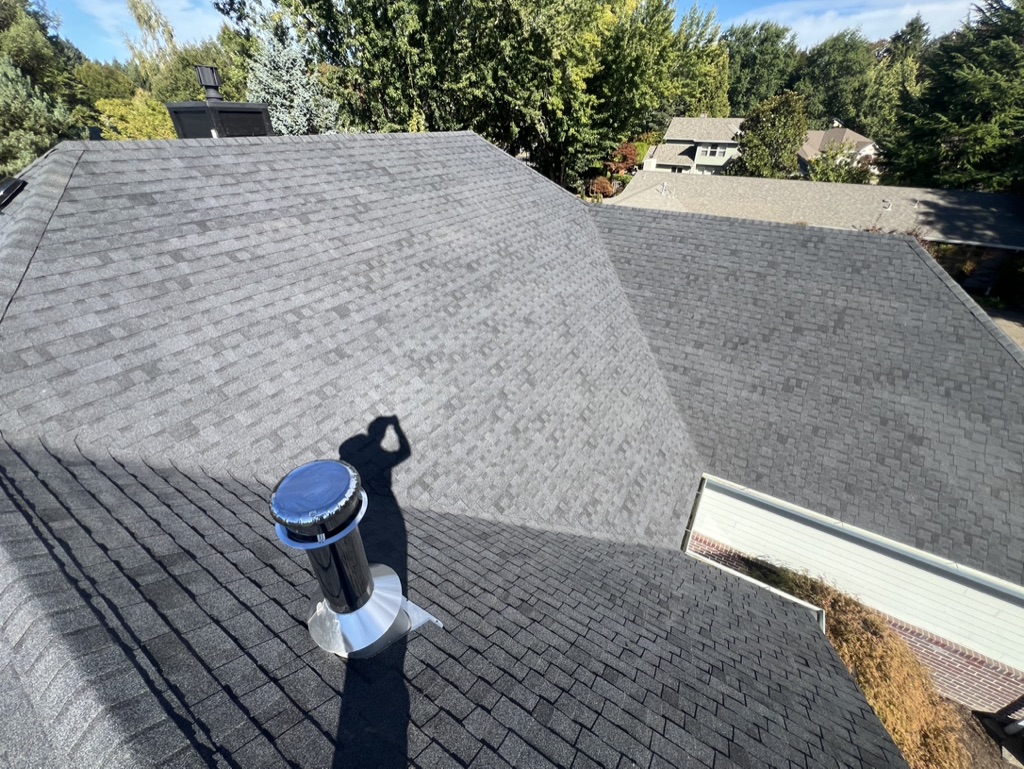
Proper attic ventilation isn't just a matter of adding more vents. It requires a balanced system: air coming in low (typically through soffit vents along the eaves) and air exiting high (through ridge vents or box vents near the peak). The ratio of intake to exhaust matters. The placement matters. And not every roof is a simple gabled shape, which means getting the balance right takes knowledge and experience.
We've seen well-intentioned homeowners add box vents to an attic that already had exhaust vents at the top, without adding any intake. That actually creates negative pressure in the attic and can pull conditioned air from the house up into the attic space — making both the ventilation problem and the heating bill worse.
Getting ventilation right is something of a puzzle with each individual home. The square footage, the roof geometry, the existing vent locations, the climate exposure, the insulation depth — all of it factors in. Done correctly, it's one of the single best investments you can make in the long-term performance of your roof.
Ventilation is addressed as part of every roof replacement and maintenance visit we do.
See our roof maintenance servicesEast Side Portland: A Specific Warning
One scenario we run into repeatedly on the east side of Portland deserves its own mention. Many older homes in that part of the city had unfinished attic space that was later converted into living space. When that conversion happened, insulation was often installed between the rafters with no baffles and drywall directly below it, leaving no air space between the insulation and the roof deck. That configuration doesn't allow any ventilation under the roof deck at all.
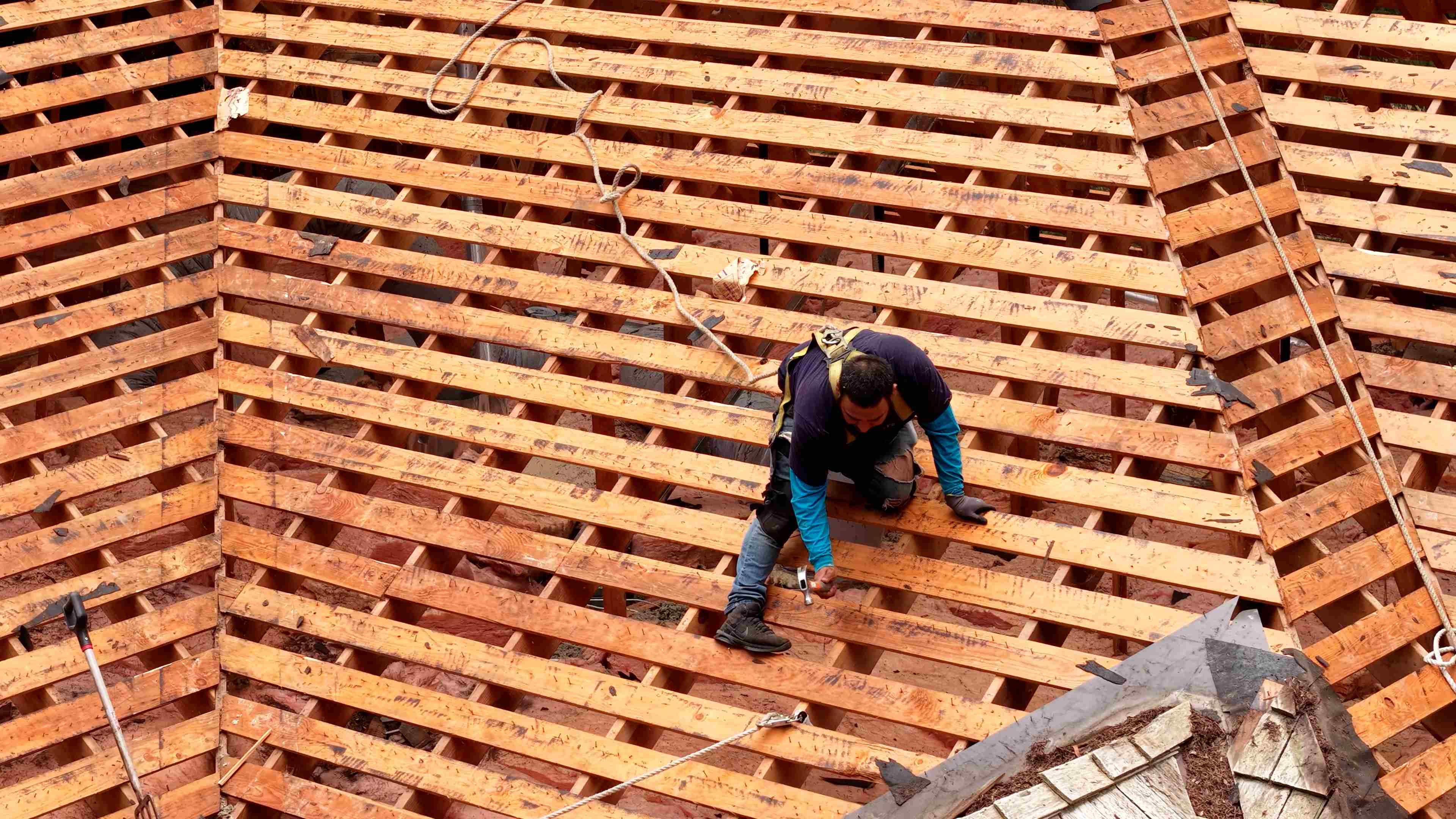
When we encounter it on a reroof, we use a method of installing batten boards and a second layer of decking to create the necessary air gap before the new shingles go on. It's a more involved install, but it's the only way to give the roof a fighting chance long-term. If you have an older east Portland home with converted attic space, it's worth having someone take a look.
Signs You Might Have a Ventilation Problem
You don't need to hire someone just to check on your ventilation. There are a few things you can observe yourself.
- In summer, if your attic feels like a sauna even on a mild day, that's a red flag.
- In winter, if you notice frost or condensation on the underside of your roof decking when you look in the attic, moisture is accumulating.
- Any staining on the attic plywood, especially around nail and staple tips, can indicate chronic moisture buildup.
- If you've had recurring ice dams in past winters (less common in Portland but not unheard of), inadequate ventilation is often part of the cause.
Any of these signs warrants a call to a roofer who will actually go in the attic — not just look at the exterior.
The Bottom Line
Attic ventilation is one of those things that nobody thinks about until something goes wrong, and by then it's usually more expensive to fix. The good news is that most ventilation issues are correctable, and the costs are modest compared to a premature roof replacement or a mold remediation.
If you're in the Portland area and you're not sure what your attic looks like, we're happy to take a look as part of any roof inspection. We go in every attic on every inspection, because the roof and the attic are one system, and you can't evaluate one without the other.
Collecting re-roof bids? Ventilation is the line item cheap quotes drop most often. Here's how to catch it before you sign.
Read how to compare roofing quotesSchedule a free roof and attic inspection with our Portland team.
Get in touchRelated Service
Need help with roof inspections?

Sean O'Hare
Founder & CEO, Evolution RoofWorks
Evolution RoofWorks is a licensed, education-first roofing contractor (CCB # 251336) serving the Portland metro area.