Built in the early 2000s in Hillsboro, Beaverton or Aloha? Your builder-grade roof is likely near its limit. Signs to watch and what a replacement fixes.
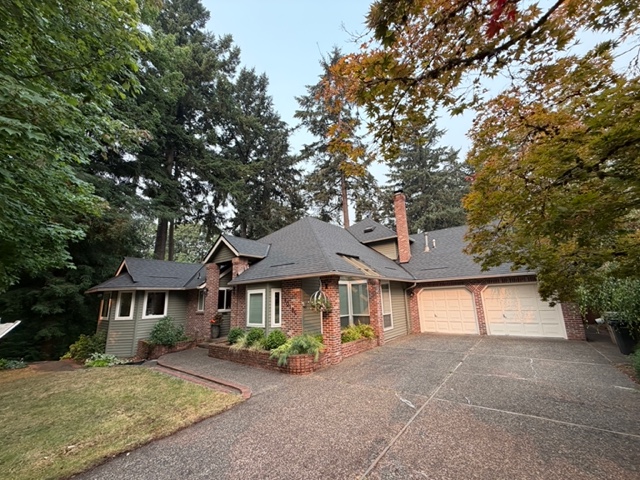
If your home in Hillsboro, Beaverton, or Aloha was built in the early 2000s, there's a good chance you still have the roof the builder put on. And if you do, it's probably close to done.
That's not a sales pitch. It's the most common thing we see on the west side right now. Whole subdivisions went up in a few years, their roofs went on at the same time, and those roofs are now reaching the end of their life together. This guide explains why, what to look for, and what a roof replacement in Hillsboro or Beaverton should fix beyond just new shingles.
Why the Early 2000s Homes Are All Due at Once
Builders put roofs on to get houses sold. That usually means a basic, builder-grade shingle and whatever attic ventilation met the code of the day. There's nothing wrong with that for a new house. It just isn't built for the long haul.
In our experience, those original roofs start failing around the 20-year mark. For homes built between roughly 2000 and 2008, that window is right now.
It also explains a pattern you might have noticed. One neighbor gets a new roof, and within a couple of years half the street has. Same builder, same year, same shingle. They're all on the same clock. When Sean O'Hare, our founder, talks about where we work most, he names these neighborhoods first: the early-2000s homes around Bethany, Beaverton, and Hillsboro.
We wrote about one of those neighborhoods, and the fifteen-plus roofs we've replaced there, in our Bethany guide.
Read why Bethany-area homeowners keep calling the same crewThe same thing is happening south of Tigard, where Sherwood and Wilsonville's 1990s and 2000s subdivisions are hitting replacement age together.
Read our Sherwood and Wilsonville roofing guideWhat 20 Years of Oregon Weather Does to a Builder-Grade Roof
Our rain isn't dramatic, but it's relentless. Months of steady water slowly wash the protective granules off the shingles. Then summer sun bakes whatever's exposed. Once the granules are gone, the oils in the asphalt dry out faster, and the shingle gets brittle.
Add moss on the north-facing slopes and a few seasons of clogged gutters, and a roof that was fine at year 15 can go downhill quickly by year 20.
The attic plays a part too. Many homes from this era were vented to the old standard of one square foot of ventilation per 300 square feet of attic. The current standard is one per 150, so it's roughly doubled. An under-vented attic runs hot in summer and damp in winter. The heat shortens the life of the shingles from underneath. The moisture soaks into the insulation and actually makes your heating bill higher, which surprises most people.
Here's how the 1:150 ventilation rule works and what an under-ventilated attic does to your shingles.
Read our attic ventilation and roof lifespan guideSigns Your Original Roof Is Near the End
Here's what Sean tells homeowners to watch for. You can spot most of it from the driveway.
- Shiny patches. If the shingles look shiny when the sun hits them at an angle, you're seeing the fiberglass mat underneath. Once that shows, the shingle isn't waterproof.
- Granules in the gutters. A handful of grit at the bottom of your downspout is normal. A steady layer of it every time you clean the gutters means the shingles are shedding fast.
- Lifting or flapping shingles. If tabs move in the wind, the seals between them have broken.
- Moss that keeps coming back. Moss on its own doesn't mean you need a new roof, but on a 20-year-old roof it speeds everything up.
- A stain on the ceiling. Especially under a valley or near a chimney. Water usually gets into the attic long before it shows up in a room.
Please don't climb up to check. Walking on an old roof, especially on a warm day, knocks off granules you can't get back.
Leave the climbing to us. Every inspection includes getting on the roof and into the attic, with photos of everything we find.
Learn about our roof inspectionsIf moss is the main problem and the roof still has life left, a cleaning and zinc treatment can buy you more years.
See our roof maintenance servicesRepair or Replace at 20 Years?
At this age, the answer is usually replacement, but not always. Here's the rule of thumb we use: if the spot that needs fixing is on a roof that'll need to be replaced within a couple of years anyway, a repair usually isn't worth the money. If the rest of the roof still has good life in it, we'll recommend the repair and tell you what to watch for.
Either way, you'll hear it straight. We'd rather tell you that you have five good years left than sell you a roof you don't need.
Roof age, how far the damage has spread, and cost: here's how we make the repair-or-replace call.
Read how we decide between repair and replacementIf a targeted repair makes more sense, we handle those too, from lifted shingles to leaks around chimneys and skylights.
See our roof repair servicesWhat a Roof Replacement Should Fix Besides the Shingles
If you're replacing a 20-year-old builder-grade roof, you have a chance to fix the things the builder didn't. Make sure your roofer talks about these. If they don't bring them up, ask.
Attic ventilation. This is the big one, and many roofers skip it because it isn't technically part of the roof. Sean estimates that nearly every house he inspects is under-ventilated by today's standard. A replacement is the easiest time to bring it up to code, since the roof is already open, and he estimates it adds 7 to 15 percent to the life of the new shingles.
Decking. Twenty years of small leaks can leave soft spots in the plywood. Those need to be found and replaced before the new roof goes on.
Flashing. The metal around chimneys, walls, and skylights should be replaced, not reused. Twenty-year-old flashing under brand-new shingles is a leak waiting to happen.
The warranty. Most shingles come with a "lifetime" warranty that turns prorated after about ten years and doesn't cover tear-off, disposal, or many of the accessories needed to complete a roof. As a CertainTeed-certified installer, we can offer a 50-year non-prorated extended warranty that covers materials, labor, and disposal.
Our roof warranty guide explains the difference between a "lifetime" shingle warranty and real non-prorated coverage.
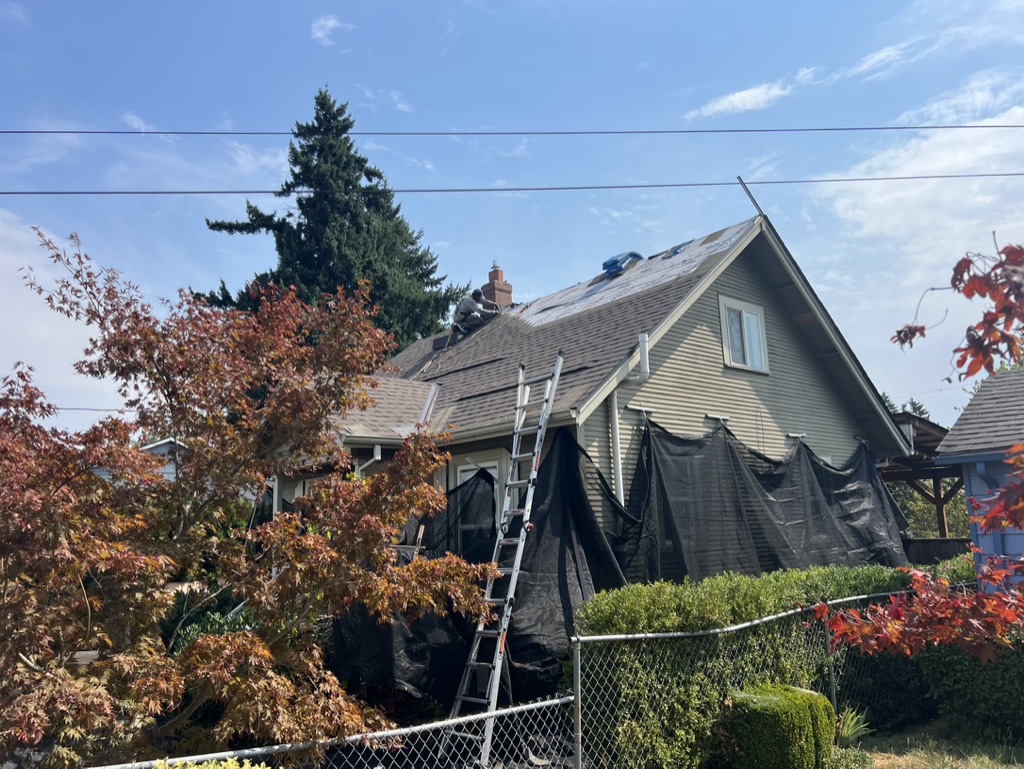
Read what roof warranties actually coverTear-off, decking, flashing, ventilation, and cleanup: here's what our replacement process looks like, start to finish.
Explore our roof replacement processWhat to Expect From Us
We'll get on the roof and into the attic, take photos, and walk you through what we find. Then we'll put together a proposal on the spot, usually with four options, and go through what each one includes. There's no pressure to decide that day.
Getting bids from more than one roofer? Here's how to line quotes up side by side so you're comparing the same work.
Read our guide to comparing roofing quotesDuring the job, you'll get daily updates, and we'll put down drop cloths and tarps around the house and keep the site as clean as we can. You'll want to keep the driveway clear, since that's where the debris trailer goes.
Before you hire any of the Hillsboro or Beaverton roofing companies you're considering, us included, look them up on the Oregon CCB license search. It shows whether a contractor is licensed, bonded, and insured, and whether they have complaints on file.
Check any contractor's license, bond, insurance, and complaint history with the Oregon Construction Contractors Board.
Search the Oregon CCB license databaseA license is the starting point. Here are the other warning signs to watch for before you sign anything.
Read our red flags when hiring a rooferA Hillsboro Roof Replacement That Fixed More Than the Shingles
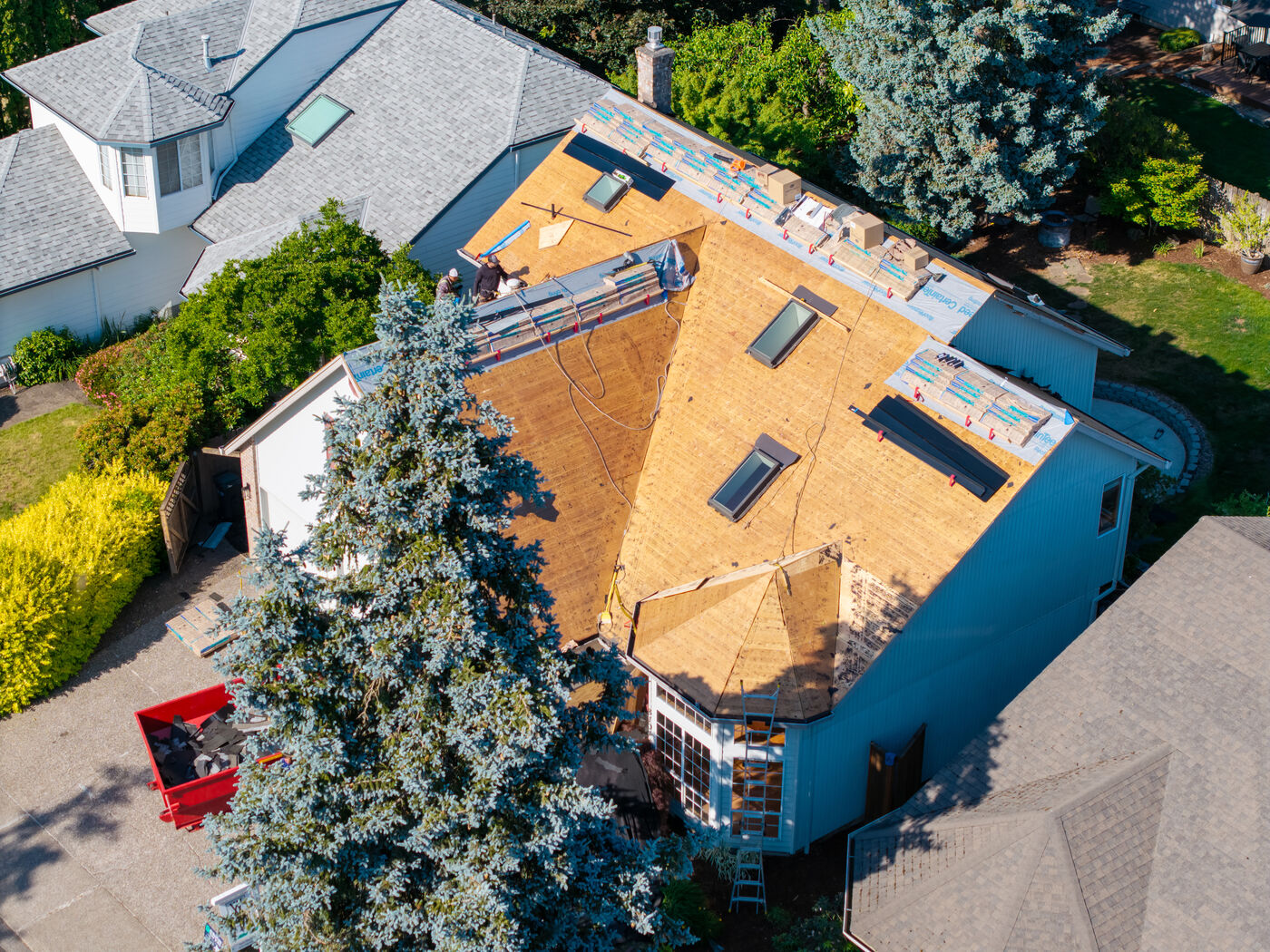
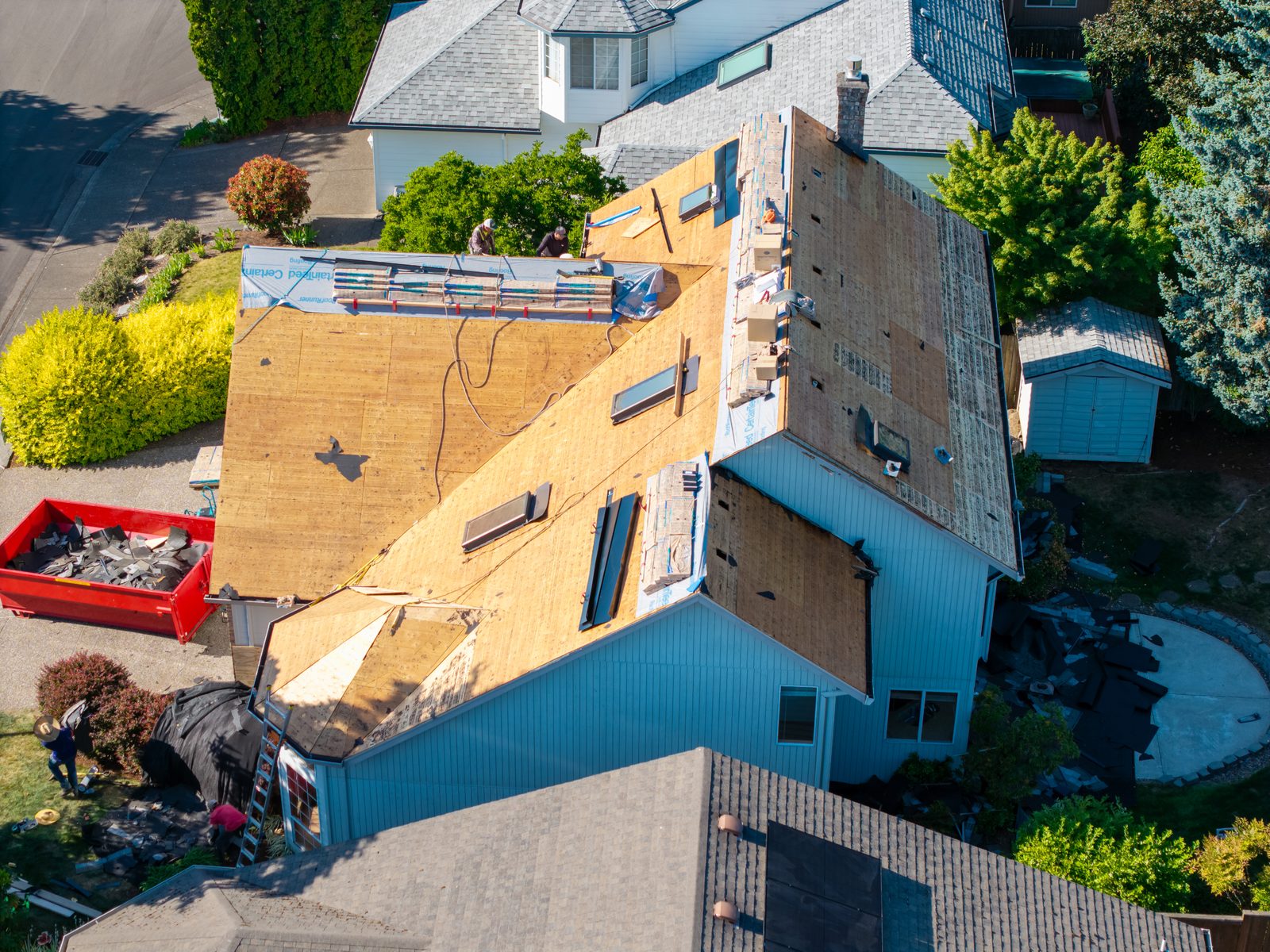
This Hillsboro, Oregon home on Northeast Addison had a roof that was originally installed in the early 2000s and had reached the end of its service life. The homeowners were experiencing leaks in multiple areas, and we also discovered inadequate attic ventilation that had contributed to mold growth in the attic. During the replacement, we installed a new CertainTeed Northgate ClimateFlex roofing system—a premium shingle manufactured with rubber polymers blended into the asphalt, helping the shingles remain flexible in colder temperatures and resist becoming brittle and cracking over time.
Rather than simply replacing the shingles, we also addressed the underlying ventilation and drainage concerns. We significantly increased the attic's ventilation with additional intake vents and powered exhaust ventilation to promote much better airflow and help prevent future moisture and mold problems. The homeowners also wanted to eliminate the upper-gutter downspouts discharging directly onto the roof deck. We installed custom downspout extensions in a close color match to the new shingles, directing the water across the roof and into the lower gutters while helping protect the new roofing system. This project is a great example of why replacing an older roof is about more than just installing new shingles—it's an opportunity to identify and correct the issues that contributed to the roof's problems in the first place.
Upper gutters draining onto a lower roof wear that section out fast. We fix gutters and downspouts as part of the job or on their own.
See our gutter servicesFrequently Asked Questions
How do I know if my roof is original?
Check the year your home was built and any records from when you bought it. If your house is from the early 2000s and there's no record of a replacement, it's very likely original. Your neighbors may know too, since homes from the same builder usually got the same roof.
How long do builder-grade roofs last in the Portland area?
In our experience, around 20 years. Heavy shade, moss, and poor ventilation can shorten that. A clean, well-ventilated roof can go a bit longer.
Do you serve Hillsboro, Beaverton, and Aloha?
Yes. The west side is where we do most of our work. See our Hillsboro, Beaverton, and Aloha pages for more.
Can I wait until spring to replace my roof?
Sometimes. If the roof isn't leaking and an inspection says it has a season left, waiting can be fine. If you already have signs of water in the attic, it's better not to take a chance on a full rainy season.
Is it worth upgrading ventilation if my attic seems fine?
Usually, yes. Under-ventilation doesn't always look like a problem until there's mold or the shingles fail early. A roof replacement is the easiest and cheapest time to fix it.
Roof inspections, repairs, and replacements for Hillsboro homes, including the early-2000s subdivisions we work in every week.
See our Hillsboro roofing servicesHonest repair-or-replace advice and full on-roof inspections for Beaverton homeowners.
See our Beaverton roofing servicesAloha sits right between Hillsboro and Beaverton, and the same crew handles every job there.
See our Aloha roofing servicesThe Bottom Line
If your Hillsboro, Beaverton, or Aloha home was built in the early 2000s, your roof is at the age where it deserves a real inspection. Not a drone flyover. Someone on the roof and in the attic. And if it's time to replace, use it as a chance to fix what the builder didn't.
Here's what an inspector catches on the roof and in the attic that a drone flyover misses.
Read why we never inspect a roof with a droneWhen you're ready, schedule a free roof inspection in Hillsboro, or call us at (971) 500-6941.
Schedule a free roof inspection in HillsboroIn Beaverton? We'll get on the roof, check the attic, and walk you through what we found the same day.
Schedule a free roof inspection in BeavertonRelated Service
Need help with roof replacement?
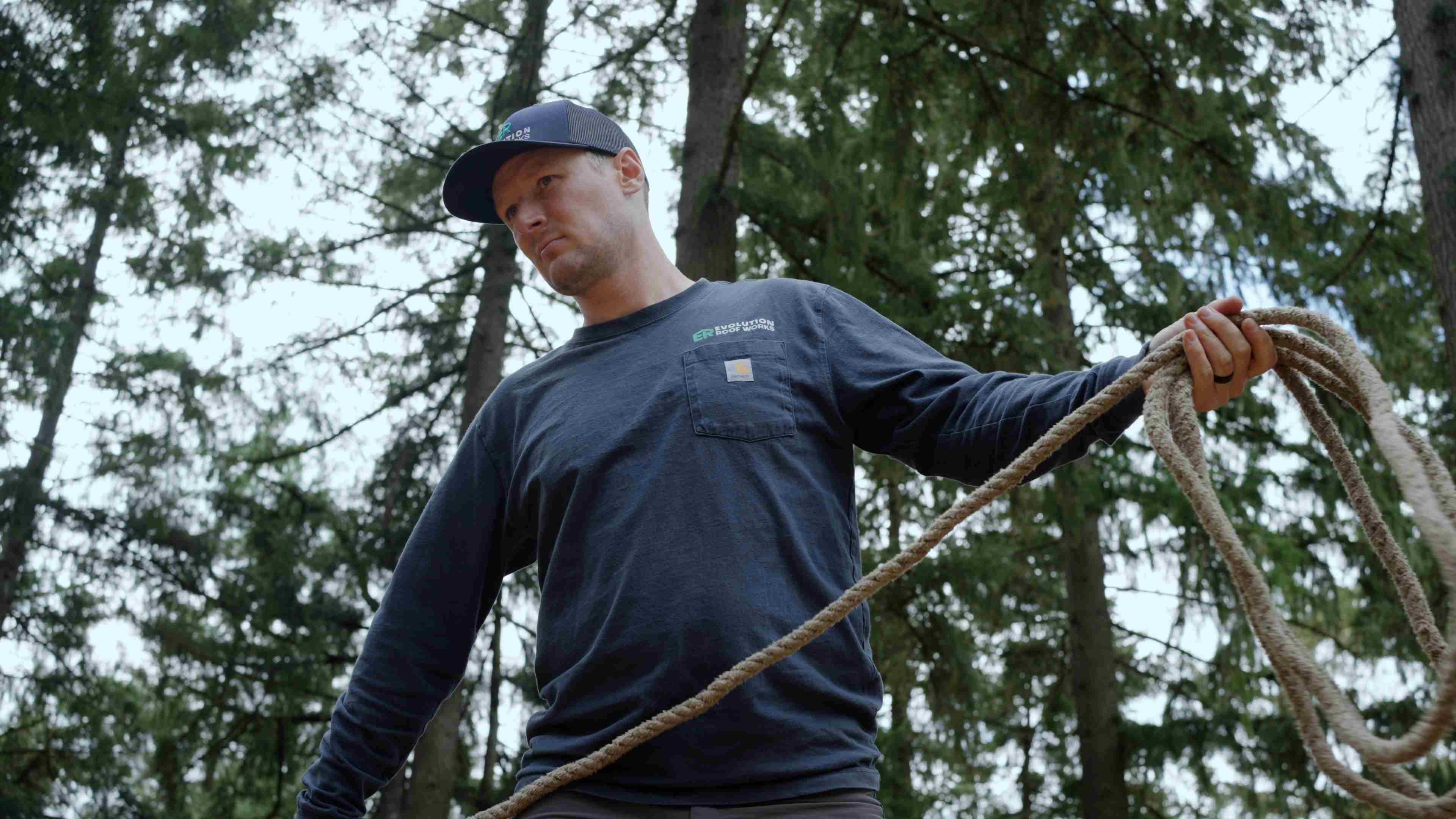
Sean O'Hare
Founder & CEO, Evolution RoofWorks
Evolution RoofWorks is a licensed, education-first roofing contractor (CCB # 251336) serving the Portland metro area.